🇮🇹 ARTICOLO IN ITALIANO
Il gigante silenzioso della foresta: la tarantola malese tra paura, mito e conservazione
Nelle profondità umide delle foreste malesi vive un animale che incarna perfettamente il conflitto tra percezione umana e valore ecologico: la tarantola malese. Grande, scura, ricoperta di setole e spesso fotografata in atteggiamenti che evocano timore, questo ragno è diventato negli ultimi anni simbolo di una battaglia più ampia, quella tra distruzione dell’habitat, commercio illegale e tutela della biodiversità tropicale.
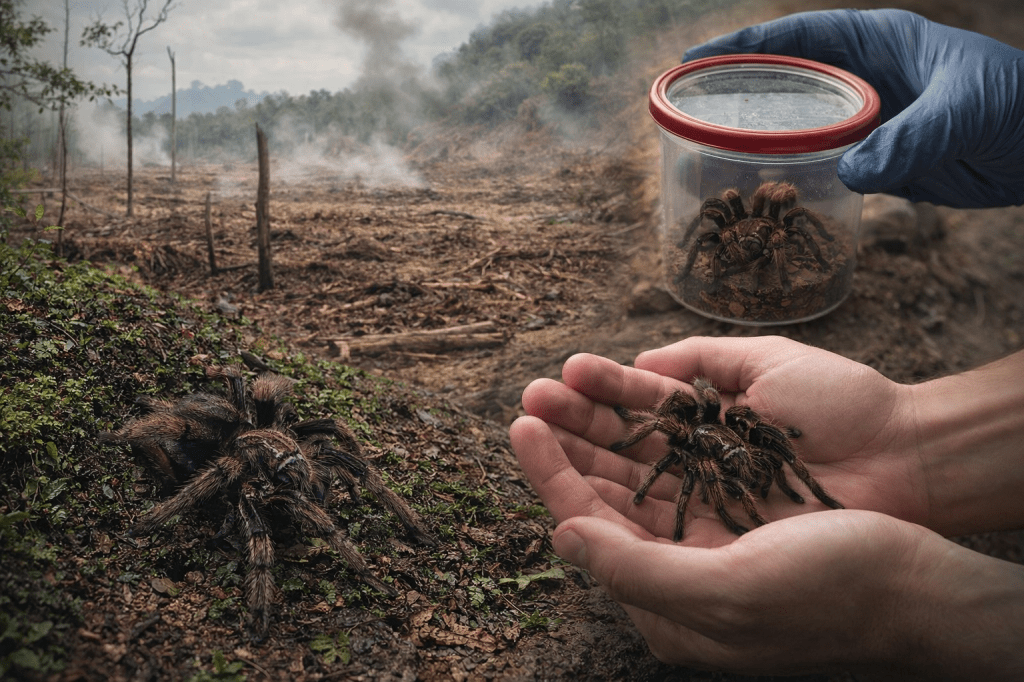
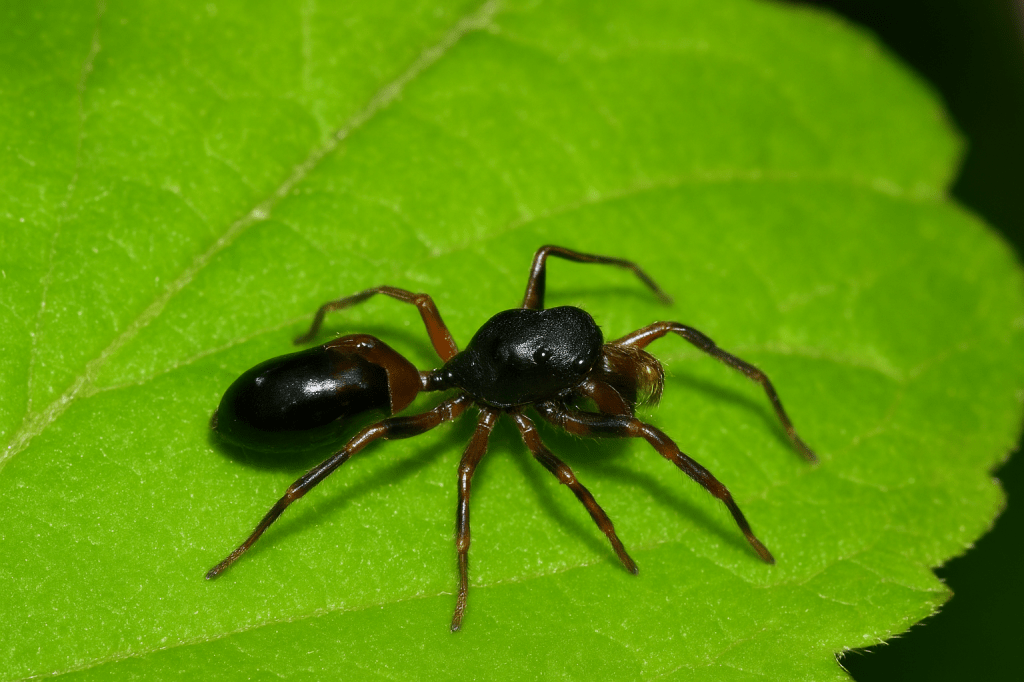
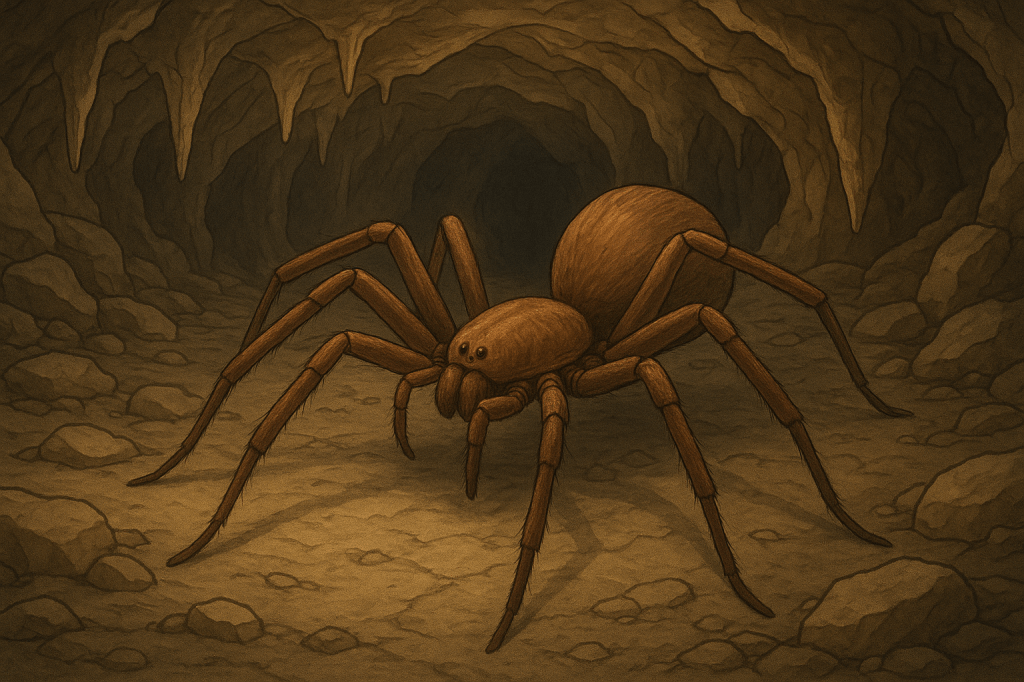
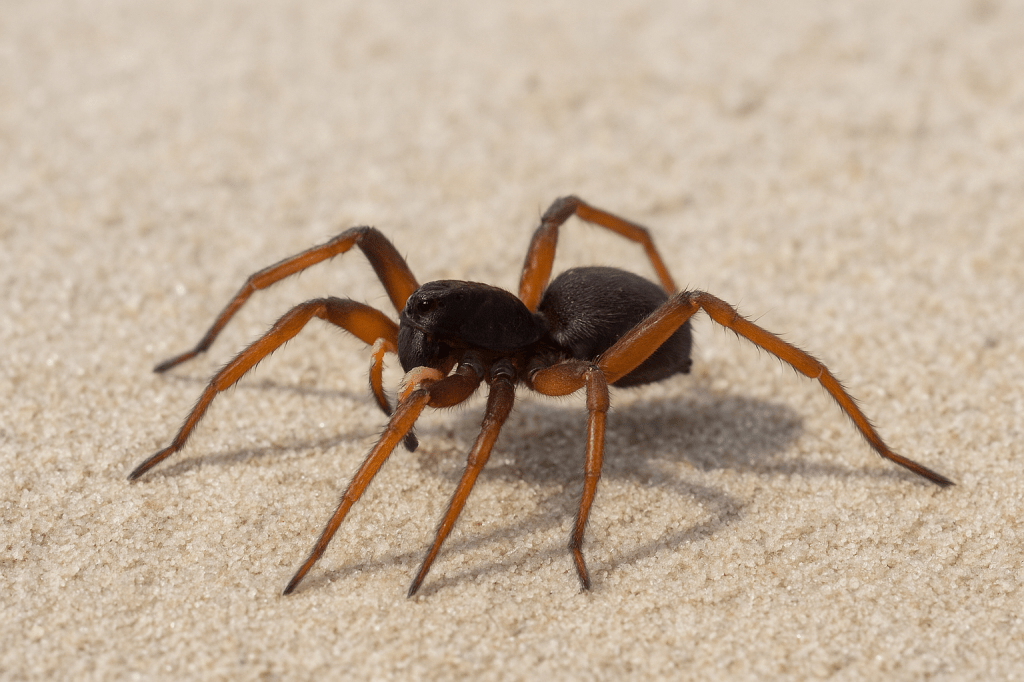
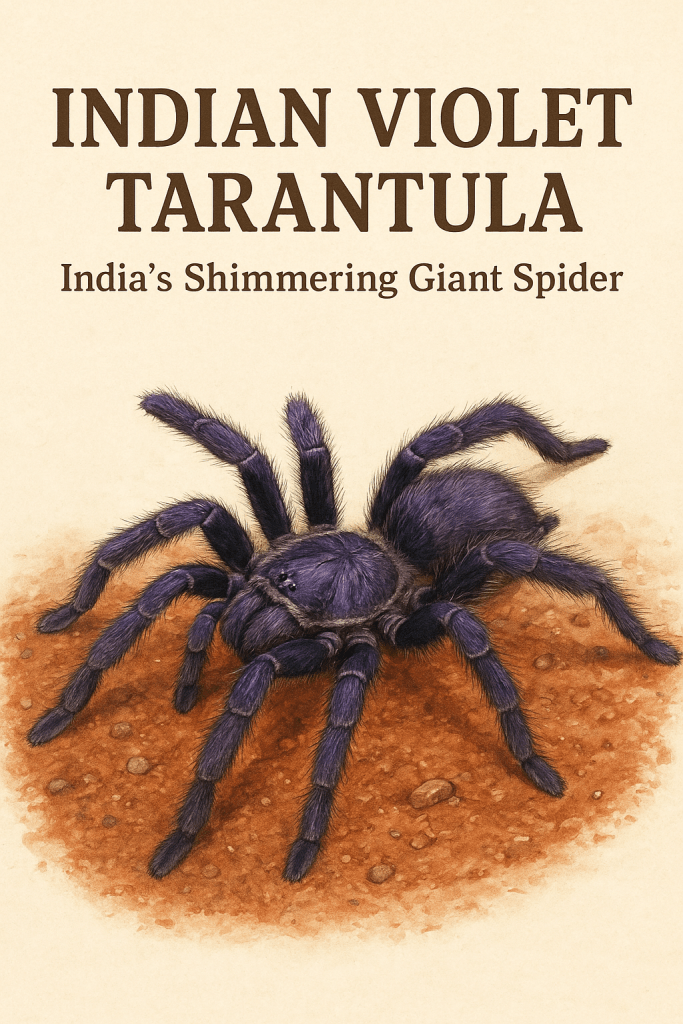
L’immagine che la ritrae, immobile sul suolo della foresta, non mostra un mostro aggressivo, ma un antico abitante di un ecosistema fragile, sopravvissuto per milioni di anni grazie a un perfetto equilibrio con l’ambiente circostante.
Un predatore antico quanto la foresta
Le grandi tarantole del Sud-Est asiatico appartengono a una linea evolutiva molto antica. Questi ragni esistevano già quando i primi mammiferi iniziavano a diversificarsi, e la loro struttura corporea è rimasta sorprendentemente stabile nel tempo. Zampe robuste, corpo massiccio, movimenti lenti e misurati: tutto in loro parla di un predatore da agguato, non di un inseguitore.
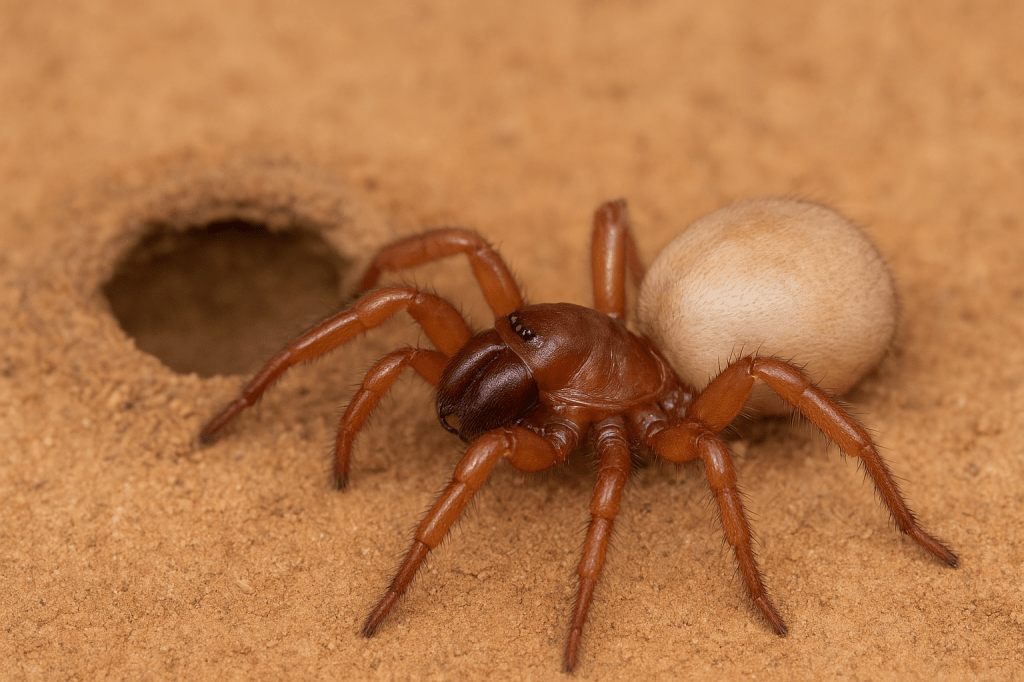
La tarantola malese trascorre gran parte della propria vita nascosta. Scava tane nel terreno, sfrutta cavità naturali o si rifugia sotto radici e tronchi marcescenti. La superficie del suolo forestale, ricca di muschi e detriti organici, non è solo il suo habitat, ma il suo principale alleato.
Un animale temuto, ma raramente pericoloso
Nell’immaginario collettivo, la parola “tarantola” evoca paura immediata. Dimensioni importanti e aspetto imponente contribuiscono a una reputazione sproporzionata rispetto alla reale pericolosità dell’animale. In realtà, la tarantola malese è estremamente schiva e tende a fuggire piuttosto che attaccare.
Il morso, evento raro, avviene quasi esclusivamente in situazioni di manipolazione o minaccia diretta. Non è un ragno che cerca il contatto con l’uomo. La sua strategia difensiva principale è l’immobilità: restare ferma, mimetizzarsi, scomparire nel paesaggio.
Il ruolo ecologico: un regolatore invisibile
Dal punto di vista ecologico, la tarantola svolge un ruolo fondamentale come predatore apicale del micro-ecosistema del suolo. Si nutre di insetti, altri artropodi, piccoli vertebrati e talvolta di altri ragni. Questo controllo contribuisce a mantenere l’equilibrio delle popolazioni locali.
Eliminare un predatore di questo tipo significa alterare catene trofiche delicate, con effetti a cascata difficili da prevedere. In una foresta tropicale, ogni organismo è un ingranaggio: togliere uno dei più antichi può compromettere l’intero meccanismo.
Foreste che scompaiono, specie che arretrano
La Malesia è uno dei Paesi con il più alto tasso di biodiversità al mondo, ma anche uno di quelli che ha subito una più rapida trasformazione del territorio. Deforestazione, piantagioni intensive, urbanizzazione e infrastrutture stanno frammentando habitat che per millenni sono rimasti continui.
La tarantola malese, legata a microhabitat specifici, soffre particolarmente questa frammentazione. Non è un animale che si adatta facilmente a ambienti disturbati. Ogni ettaro di foresta perso riduce le sue possibilità di sopravvivenza.
Il commercio illegale e la collezione esotica
Negli ultimi anni, le grandi tarantole asiatiche sono diventate oggetto di interesse nel mercato degli animali esotici. Collezionisti e allevatori senza scrupoli alimentano una domanda che spesso si traduce in prelievi diretti dalla natura.
Questo fenomeno è particolarmente pericoloso perché colpisce popolazioni già limitate e poco studiate. Un singolo prelievo può sembrare insignificante, ma su larga scala diventa una minaccia concreta per la sopravvivenza della specie.
Perché proteggere un animale che fa paura?
La protezione della tarantola malese solleva una questione centrale nella conservazione: dobbiamo salvare solo ciò che ci piace? Ragni, serpenti e altri animali “scomodi” sono spesso esclusi dall’empatia pubblica, eppure sono essenziali quanto le specie carismatiche.
Proteggere questa tarantola significa difendere un intero ecosistema. Significa riconoscere che la biodiversità non è fatta solo di animali belli da fotografare, ma anche di creature che svolgono ruoli silenziosi e fondamentali.
Educazione e percezione: la vera sfida
Uno degli strumenti più potenti per la conservazione è l’educazione. Comprendere il comportamento reale della tarantola, il suo ruolo ecologico e la sua vulnerabilità può trasformare la paura in rispetto.
Immagini come quella che accompagna questo articolo non dovrebbero servire a spaventare, ma a raccontare una storia: quella di un animale antico, minacciato non dalla natura, ma dalle attività umane.
Un simbolo della biodiversità invisibile
La tarantola malese non è un’icona turistica né un simbolo nazionale. È parte di quella biodiversità invisibile che sostiene gli ecosistemi senza clamore. Proteggerla significa scegliere una visione della conservazione più matura, meno superficiale.
In un mondo che cambia rapidamente, la sopravvivenza di creature come questa dipenderà dalla nostra capacità di guardare oltre la paura e riconoscere il valore di ogni forma di vita.
🇬🇧 FULL ARTICLE IN ENGLISH
The Silent Giant of the Forest: The Malaysian Tarantula Between Fear, Myth, and Conservation
Deep within the humid forests of Malaysia lives a creature that perfectly embodies the conflict between human perception and ecological value: the Malaysian tarantula. Large, dark, covered in dense hairs, and often photographed in ways that inspire fear, this spider has become a symbol of a much broader struggle — one involving habitat destruction, illegal trade, and the protection of tropical biodiversity.
The image showing it motionless on the forest floor does not depict a monster, but an ancient inhabitant of a fragile ecosystem, one that has survived for millions of years thanks to a finely tuned balance with its environment.
An Ancient Predator as Old as the Forest
Large Southeast Asian tarantulas belong to a very ancient evolutionary lineage. These spiders already existed when early mammals were beginning to diversify, and their body structure has remained remarkably stable over time. Thick legs, a heavy body, slow and deliberate movements — everything about them reveals an ambush predator rather than a pursuer.
The Malaysian tarantula spends most of its life hidden. It digs burrows, exploits natural cavities, or shelters beneath roots and decaying logs. The forest floor, rich in moss and organic debris, is not only its habitat but its greatest ally.
Feared but Rarely Dangerous
In popular imagination, the word “tarantula” triggers immediate fear. Its large size and imposing appearance contribute to a reputation far greater than its actual threat. In reality, the Malaysian tarantula is extremely shy and far more likely to retreat than to attack.
Bites are rare and occur almost exclusively during handling or direct provocation. This is not a spider that seeks human contact. Its primary defense strategy is stillness: remaining motionless, blending into the environment, becoming invisible.
An Invisible Ecological Regulator
From an ecological standpoint, the tarantula plays a crucial role as a top predator within the forest floor micro-ecosystem. It feeds on insects, other arthropods, small vertebrates, and occasionally other spiders. This predation helps regulate local populations and maintain balance.
Removing such a predator disrupts delicate food webs, triggering cascading effects that are difficult to predict. In a tropical forest, every organism is a cog in a complex machine — removing one of the oldest can compromise the entire system.
Disappearing Forests, Retreating Species
Malaysia is one of the world’s richest countries in terms of biodiversity, but it has also experienced rapid land-use change. Deforestation, industrial plantations, urban expansion, and infrastructure development are fragmenting habitats that remained continuous for thousands of years.
The Malaysian tarantula, tightly bound to specific microhabitats, is particularly vulnerable to this fragmentation. It is not an animal that easily adapts to disturbed environments. Every hectare of forest lost reduces its chances of survival.
Illegal Trade and the Exotic Pet Market
In recent years, large Asian tarantulas have attracted growing interest within the exotic pet trade. Unscrupulous collectors and breeders fuel demand that often results in direct extraction from the wild.
This practice is especially dangerous because it targets populations that are already limited and poorly studied. A single specimen removed may seem insignificant, but on a large scale, the impact becomes severe and potentially irreversible.
Why Protect an Animal That Frightens Us?
Protecting the Malaysian tarantula raises a fundamental question in conservation: should we only save what we find appealing? Spiders, snakes, and other “uncomfortable” animals are often excluded from public empathy, yet they are just as essential as more charismatic species.
Protecting this tarantula means defending an entire ecosystem. It means acknowledging that biodiversity is not made only of beautiful animals, but also of silent, misunderstood creatures performing vital roles.
Education and Perception: The Real Challenge
One of the most powerful tools in conservation is education. Understanding the true behavior of the tarantula, its ecological role, and its vulnerability can transform fear into respect.
Images like the one accompanying this article should not be used to terrify, but to tell a story — the story of an ancient animal threatened not by nature, but by human activity.
A Symbol of Invisible Biodiversity
The Malaysian tarantula is not a tourist icon nor a national symbol. It represents the invisible biodiversity that supports ecosystems quietly and efficiently. Protecting it means embracing a deeper, more mature vision of conservation.
In a rapidly changing world, the survival of creatures like this one will depend on our ability to look beyond fear and recognize the value of every form of life.





 458socom.org